Contact a Rep
CONTACT A REP
Interested in connecting with an ANI Pharmaceuticals representative?

Fill out the request form below if you wish to be contacted with more information on Cortrophin Gel.

This form is for healthcare professionals only. If you are a patient looking to contact customer service, please call 1-800-434-1121 or email info@anipharmaceuticals.com.

* = Required

I confirm and agree to the following:*

I am a licensed US healthcare professional. I understand that this information may be used by ANI Pharmaceuticals and its affiliates and partners or third parties working on behalf of ANI Pharmaceuticals to contact me. I agree that the personal information I provide may be used by ANI Pharmaceuticals, or other companies acting on its behalf, to contact me via mail, email, or otherwise provide me with information about educational materials, market research, products, and services concerning Cortrophin Gel. I give my permission for ANI Pharmaceuticals to use my information for reasonable business purposes as permitted or required by law. Neither ANI Pharmaceuticals nor the companies working on its behalf may sell or rent my personal information except for as set forth in the ANI Pharmaceuticals Privacy Policy.

* = Required

See the proposed mechanism of action (MOA) for adrenocorticotropic hormone (ACTH) therapy

Purified Cortrophin® Gel (repository corticotropin injection USP) 80 U/mL is a naturally sourced, purified corticotropin (ACTH) that is made up of a complex mixture of ACTH, ACTH-related peptides, and other natural pituitary-derived peptides.1

The exact mechanism of action of Cortrophin Gel is unknown and requires further investigation. The following information is based on nonclinical and pharmacodynamic data, and the relationship to clinical benefit is unknown.

  • ACTH may work through the melanocortin pathway.2
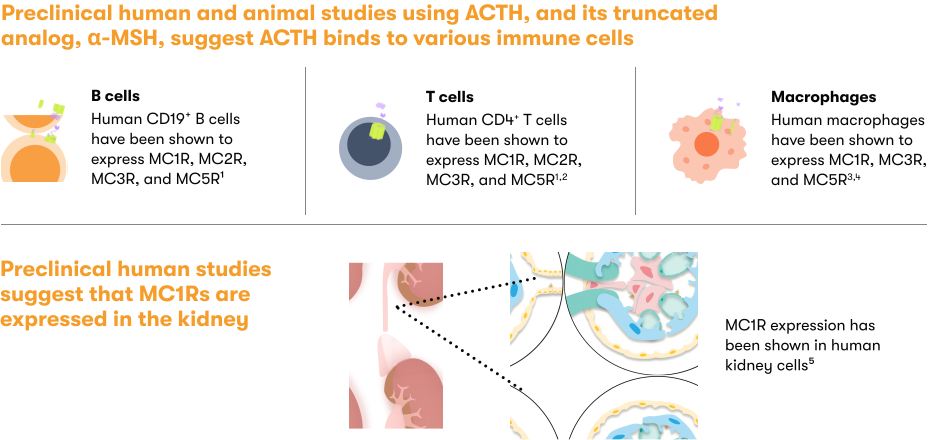
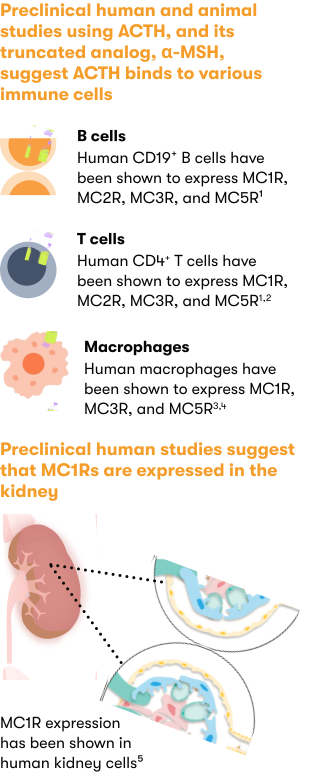
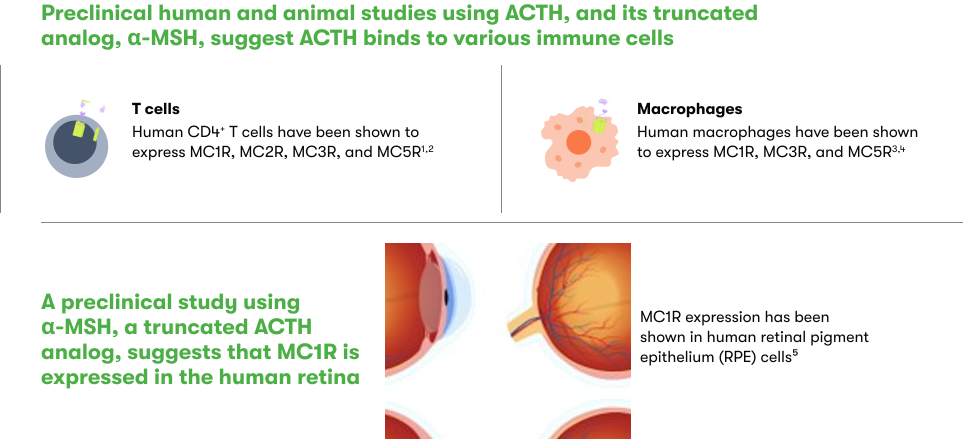
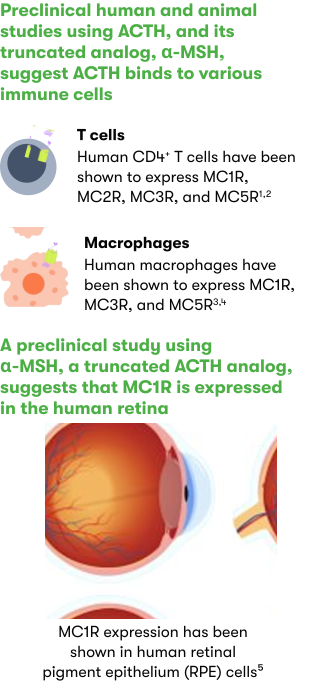
  • Melanocortin receptors are receptors on immune and other cells throughout the body that may play a role in regulating the immune response.3-5

ACTH=adrenocorticotropic hormone.

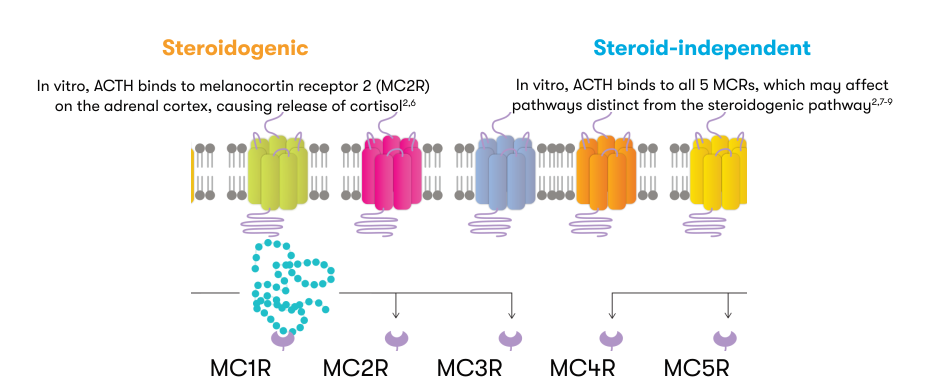
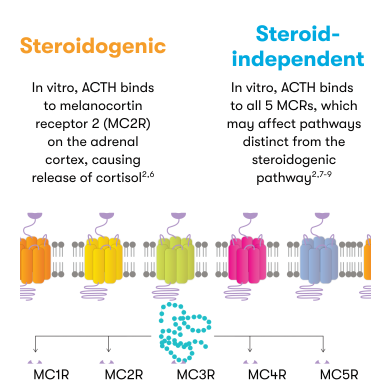
ACTH may possess both steroid-dependent and steroid-independent activity

ACTH GraphicACTH Graphic
Learn More icon

Learn More

Acute gouty arthritis flares
Select cases of systemic lupus erythematosus
Proteinuria due to certain types of nephrotic syndrome
Atopic dermatitis and severe psoriasis
Multiple sclerosis flares
Select cases of systemic dermatomyositis (polymyositis)
Rheumatoid arthritis flares
Symptomatic sarcoidosis
Severe inflammatory ophthalmic diseases

References: 1. Cortrophin Gel. Prescribing information. 2. Mountjoy KG, et al. Science. 1992;257(5074):1248-1251. 3. Zhong Q, et al. J Leukoc Biol. 2005;36(5):820-831. 4. Lindskog A, et al. J Am Soc Nephrol. 2010;21(8):1290-1298. 5. Delgado R, et al. J Leukoc Biol. 1998;63(6):740-745. 6. Montero-Melendez T. Semin Immunol. 2015;27(3):216-226. 7. Gantz I, et al. J Biol Chem. 1993;268(11):8246-8250. 8. Gantz I, et al. J Biol Chem. 1993;268(20):15174-15179. 9. Chhajlani V, et al. Biochem Biophys Res Commun. 1993;195:866-873.

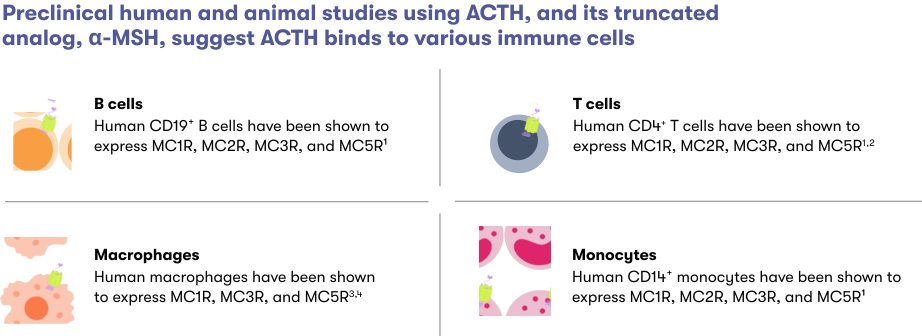
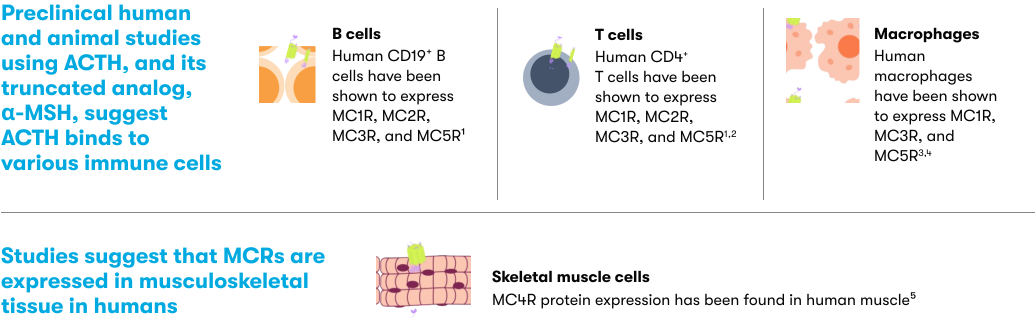
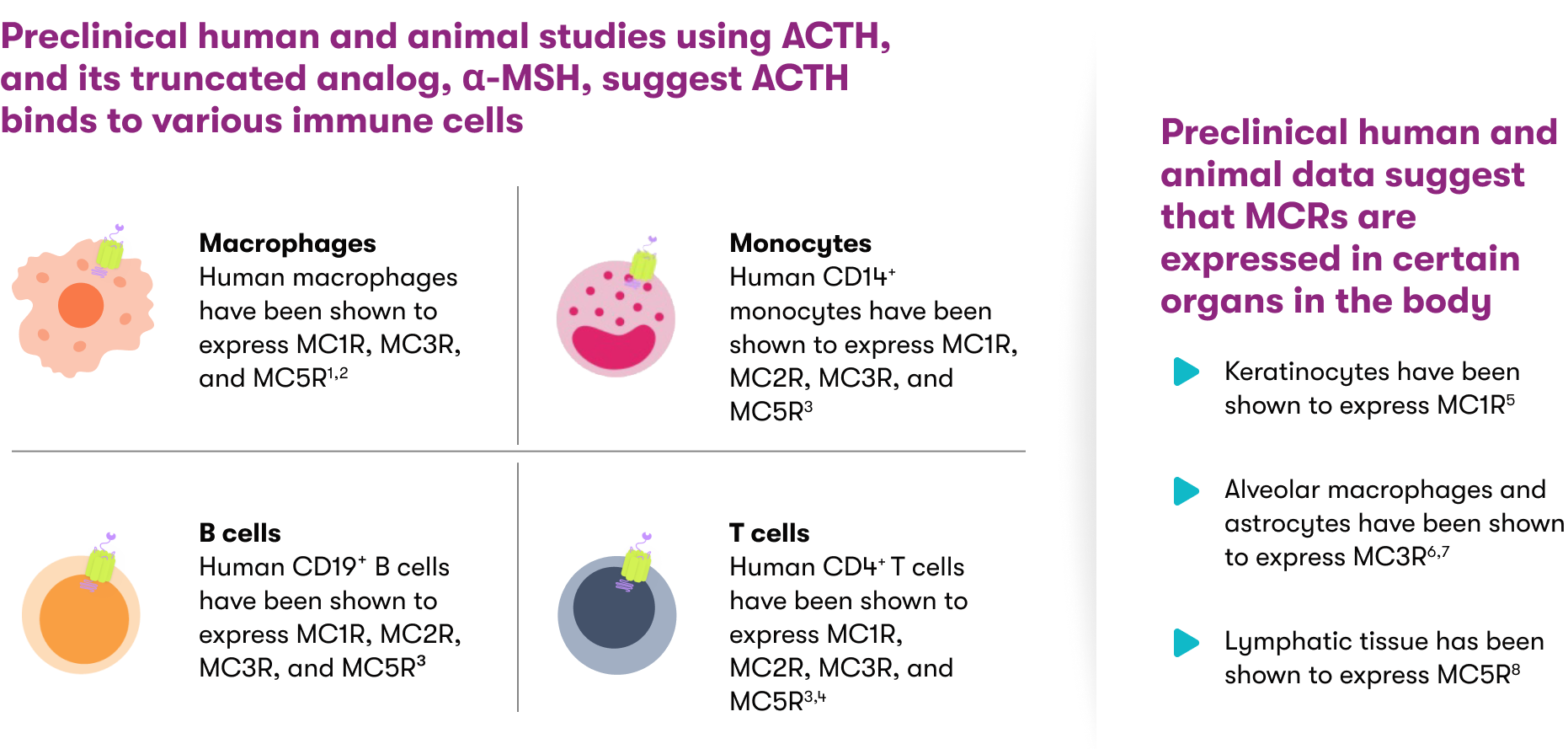
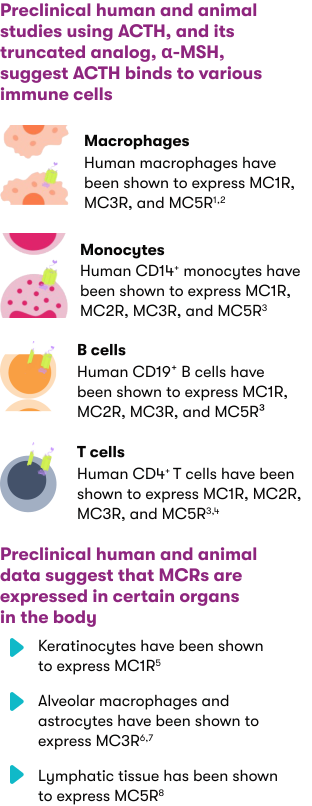
ACTH=adrenocorticotropic hormone; α-MSH=alpha melanocyte stimulating hormone; MCR=melanocortin receptor.

References: 1. Yoon SW, et al. J Biol Chem. 2003;278(35):32‍914-32‍920. 2. ATCC. THP-1. Accessed January 9, 2026. https://www.atcc.org/products/tib-202 3. Andersen GN, et al. Scand J Immunol. 2005;61(3):279-284. 4. Zhong Q, et al. Bone. 2005;36(5):820-831. 5. Grässel S, et al. Arthritis Rheum. 2009;60(10):3017-3027. 6. Human Protein Atlas. Accessed January 9, 2026. https://www.proteinatlas.org/ENSG00000166603-MC4R/tissue

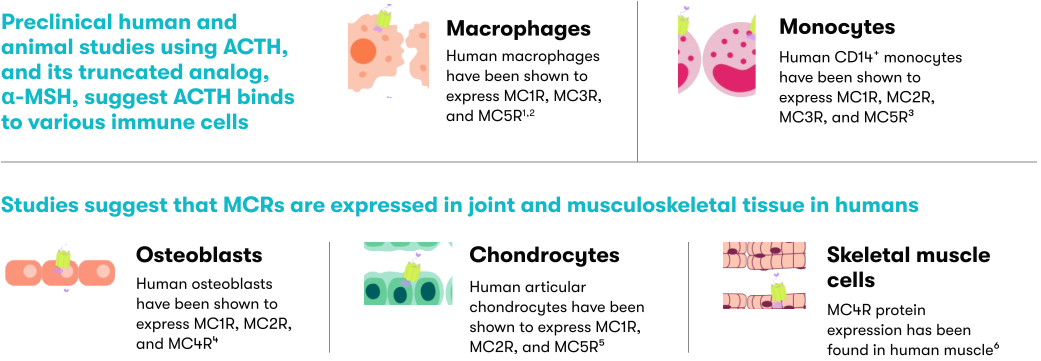
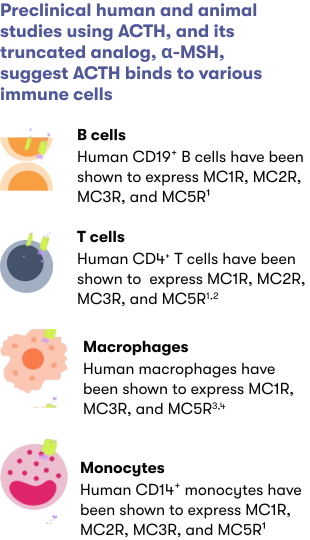
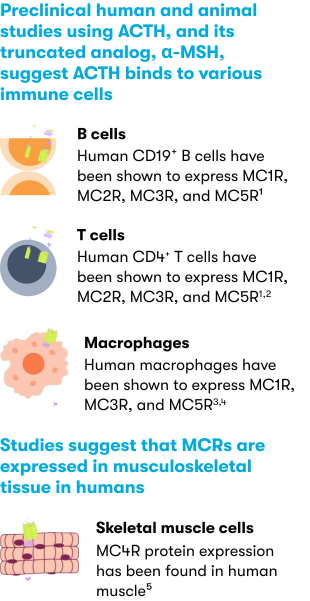
ACTH=adrenocorticotropic hormone; α-MSH=alpha melanocyte stimulating hormone; MCR=melanocortin receptor.

References: 1. Andersen GN, et al. Scand J Immunol. 2005;61(3):279-284. 2. Zhao J, et al. JCI Insight. 2021;6(13):e143385. 3. Yoon SW, et al. J Biol Chem. 2003;278(35):32‍914-32‍920. 4. ATCC. THP-1. Accessed January 9, 2026. https://www.atcc.org/products/tib-202

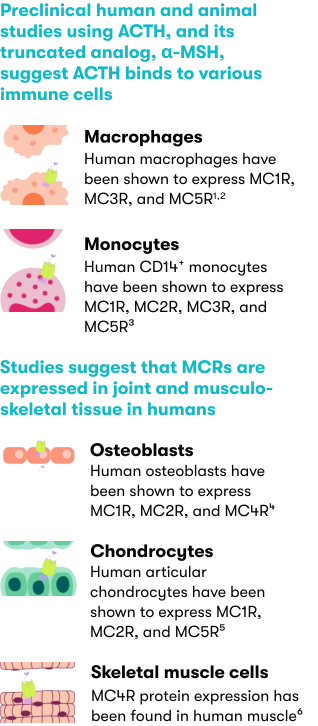
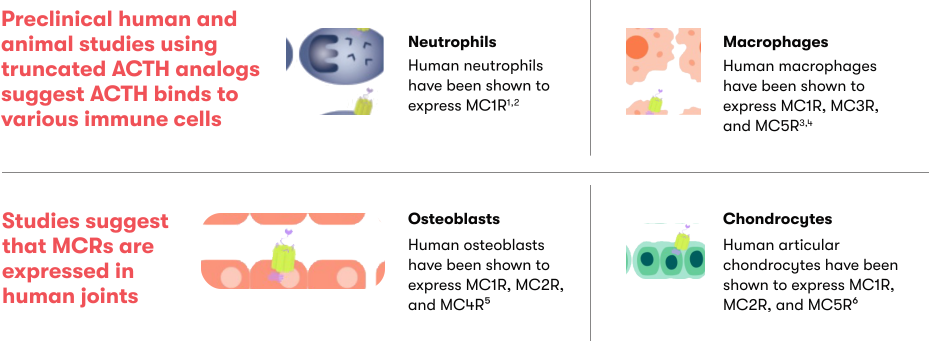
ACTH=adrenocorticotropic hormone; MCR=melanocortin receptor.

References: 1. Catania A, et al. Peptides. 1996;17(4):675-679. 2. Getting SJ, et al. J Immunol. 1999;162(12):7446-7453. 3. Yoon SW, et al. J Biol Chem. 2003;278(35):32‍914-32‍920. 4. ATCC. THP-1. Accessed January 9, 2026. https://www.atcc.org/products/tib-202 5. Zhong Q, et al. Bone. 2005;36(5):820-831. 6. Grässel S, et al. Arthritis Rheum. 2009;60(10):3017-3027.

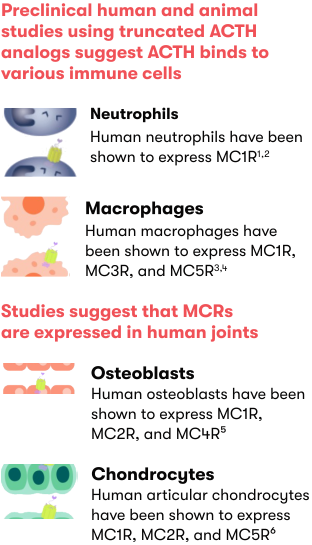
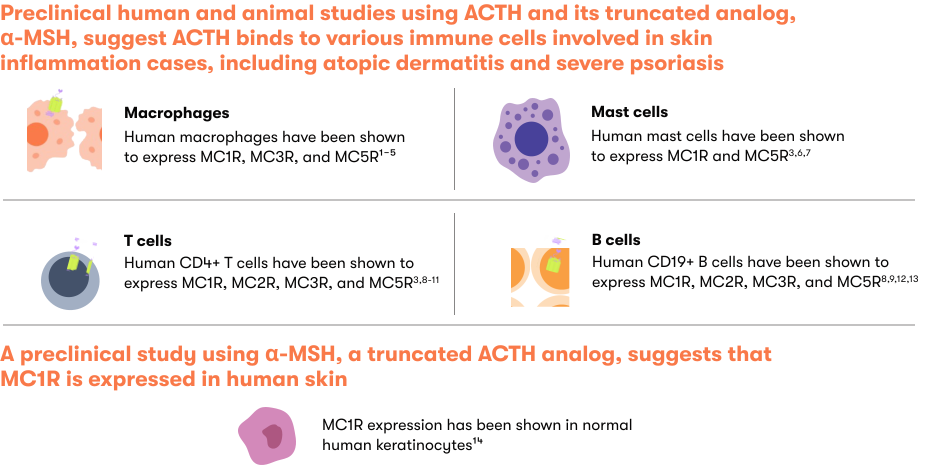
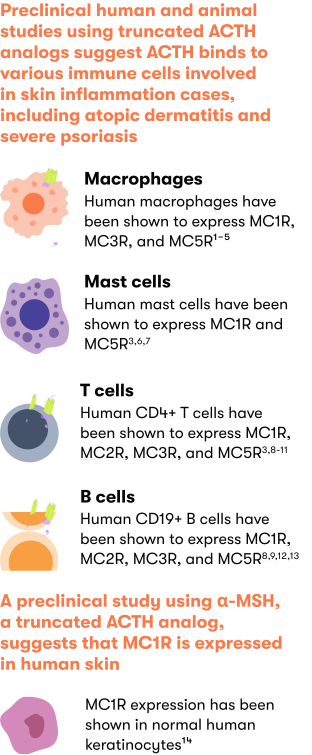
ACTH=adrenocorticotropic hormone; α-MSH=alpha‐melanocyte–stimulating hormone; MCR=melanocortin receptor.

References: 1. ATCC. THP-1. Accessed February 17, 2026. https://www.atcc.org/products/tib-202 2. Yoon SW et al. J Biol Chem. 2003;278(35):32914-32920. doi:10.1074/jbc.M302444200 3. Andoh T et al. Am J Pathol. 2019;189(9):1775-1785. doi:10.1016/j.ajpath.2019.05.017 4. Fuentes-Duculan J et al. J Invest Dermatol. 2010;130(10):2412-2422. doi:10.1038/jid.2010.165 5. Kasraie S et al. Mediators Inflamm. 2013;942375. doi:10.1155/2013/942375 6. Loite U et al. Acta Derm Venereol. 2013;93(4):400-405. doi:10.2340/00015555-1524 7. Fischer M et al. J Clin Invest. 2006;116(10):2748-2756. doi:10.1172/JCI24274 8. Andersen GN et al. Scand J Immunol. 2005;61(3):279-284. doi:10.1111/j.1365-3083.2005.01565.x 9. Hiramoto K et al. Exp Dermatol. 2010;19(2):132-136. doi:10.1111/j.1600-0625.2009.00988.x 10. Auriemma M et al. J Invest Dermatol. 2012;132(7):1814-1824. doi:10.1038/jid.2012.59 11. Lowes M et al. J Invest Dermatol. 2008;128(5):1207-1211. doi:10.1038/sj.jid.5701213 12. Castillo RL et al. Sci Immunol. 2023;8(84):eabq7991. doi:10.1126/sciimmunol.abq7991 13. Czarnowicki T et al. J Allerg Clin Immunol. 2016;137(1):118-129.e5. doi:10.1016/k.jaci.2015/08/027 14. Chakraborty AK et al. J Invest Dermatol. 1999;112(6):853-860. doi:10.1046/j.1523-1747.1999.00608

ACTH=adrenocorticotropic hormone; α-MSH=alpha melanocyte stimulating hormone; MCR=melanocortin receptor.

References: 1. Andersen GN, et al. Scand J Immunol. 2005;61(3):279-284. 2. Zhao J, et al. JCI Insight. 2021;6(13):e143385. 3. Yoon SW, et al. J Biol Chem. 2003;278(35):32‍914-32‍920. 4. ATCC. THP-1. Accessed January 9, 2026. https://www.atcc.org/products/tib-202 5. Human Protein Atlas. Accessed January 9, 2026. https://www.proteinatlas.org/ENSG00000166603-MC4R/tissue

ACTH=adrenocorticotropic hormone; α-MSH=alpha melanocyte stimulating hormone; MCR=melanocortin receptor.

References: 1. Yoon SW, et al. J Biol Chem. 2003;278(35):32‍914-32‍920. 2. ATCC. THP-1. Accessed January 9, 2026. https://www.atcc.org/products/tib-202 3. Andersen GN, et al. Scand J Immunol. 2005;61(3):279-284. ​4. Zhao J, et al. J CI Insight. 2021;6(13):e143385. 5. Chakraborty AK, et al. J Invest Dermatol. 1999;112(6):853-860. 6. Getting SJ, et al. Pulm Pharmacol Ther. 2008;21(6):866-873. 7. Gantz I, et al. J Biol Chem. 1993;268(11):8246-8250. 8. Chhajlani V. Biochem Mol Biol Int. 1996;38:73-80.

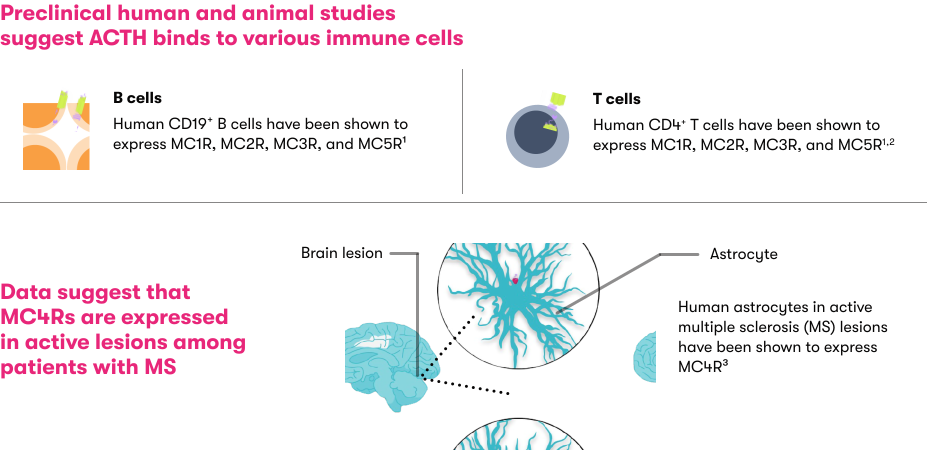
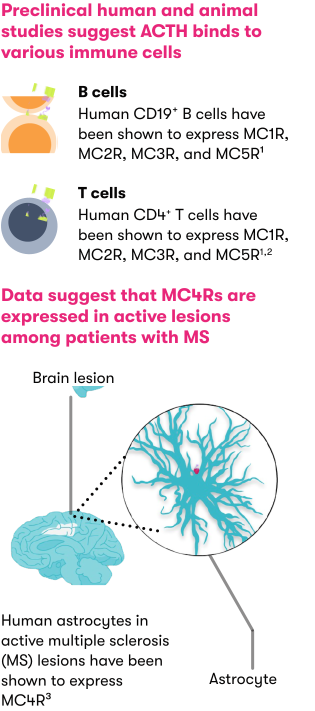
ACTH=adrenocorticotropic hormone; MCR=melanocortin receptor.

References: 1. Andersen GN, et al. Scand J Immunol. 2005;61(3):279-284. 2. Zhao J, et al. JCI Insight. 2021;6(13):e143385. 3. Kamermans A, et al. Front Immunol. 2019;10:2312.

ACTH=adrenocorticotropic hormone; α-MSH=alpha melanocyte stimulating hormone; MCR=melanocortin receptor.

References: 1. Andersen GN, et al. Scand J Immunol. 2005;61(3):279-284. 2. Zhao J, et al. JCI Insight. 2021;6(13): e143385. 3. Yoon SW, et al. J Biol Chem. 2003;278(35):32‍914-32‍920. 4. ATCC. THP-1. Accessed January 9, 2026. https://www.atcc.org/products/tib-202 5. Lindskog A, et al. J Am Soc Nephrol. 2010;21:1290-1298.

ACTH=adrenocorticotropic hormone; α-MSH=alpha melanocyte stimulating hormone, MCR=melanocortin receptor.

References: 1. Andersen GN, et al. Scand J Immunol. 2005;61(3):279-284. ​2. Zhao J, et al. JCI Insight. 2021;6(13):e143385. 3. Yoon SW, et al. J Biol Chem. 2003;278(35):32‍914-32‍920. ​4. ATCC. THP-1. Accessed January 9, 2026. https://www.atcc.org/products/tib-202 ​5. Cheng L, et al. Biochem Biophys Res Commun. 2014;443(2):447-452.

Indications
Important Safety Information
Expand ISI
IndicationsExpand ISI

Cortrophin Gel is a prescription medicine that is injected subcutaneously or intramuscularly. It is indicated for:

Cortrophin Gel is indicated for:

  • Acute exacerbations of multiple sclerosis.
  • Short-term administration as an adjunctive therapy during an acute episode or exacerbation in rheumatoid arthritis, including juvenile rheumatoid arthritis; psoriatic arthritis; ankylosing spondylitis; and acute gouty arthritis.
  • Exacerbations or as maintenance therapy in select cases of systemic lupus erythematosus and systemic dermatomyositis (polymyositis).
  • Severe erythema multiforme (Stevens-Johnson syndrome) and severe psoriasis.
  • Atopic dermatitis and serum sickness.
  • Severe acute and chronic allergic and inflammatory conditions affecting the eye and its adnexa, such as allergic conjunctivitis, keratitis, iritis and iridocyclitis, diffuse posterior uveitis and choroiditis, optic neuritis, chorioretinitis, and anterior segment inflammation.
  • Symptomatic sarcoidosis.
  • Inducing a diuresis or remission of proteinuria due to nephrotic syndrome without uremia of the idiopathic type or that due to lupus erythematosus.
Important Safety InformationExpand ISI
Contraindications
  • Cortrophin Gel is contraindicated for intravenous administration.
  • Cortrophin Gel is contraindicated in patients who have any of the following conditions: scleroderma; osteoporosis; systemic fungal infections; ocular herpes simplex; recent surgery; history of or the presence of a peptic ulcer; congestive heart failure; hypertension; primary adrenocortical insufficiency; adrenocortical hyperfunction; or sensitivity to proteins derived from porcine sources.
Warnings and Precautions
  • Infections: Corticotropin therapy may increase susceptibility to infections and may mask the symptoms of infections.
  • Adrenal insufficiency: Prolonged corticotropin therapy can increase the potential for adrenal insufficiency after withdrawal of the medication. Adrenal insufficiency may be minimized by gradually reducing the corticotropin dosage. Hormone therapy should be reinstituted if stressful situations arise during discontinuation.
  • Elevated blood pressure, salt and water retention, and hypokalemia: Corticotropin can cause elevation of blood pressure, salt and water retention, and increased excretion of potassium or calcium.
  • Masking symptoms of other diseases: Corticotropin may only suppress signs and symptoms of chronic disease without altering the natural course of disease.
  • Psychiatric reactions: Psychic derangements may appear when corticotropin is used, ranging from euphoria, insomnia, mood swings, personality changes, and depression to psychosis. Existing conditions may be aggravated.
  • Ophthalmic reactions: Prolonged use of corticotropin may produce posterior subcapsular cataracts and glaucoma with possible damage to the optic nerves.
  • Immunogenicity potential: Prolonged administration of Cortrophin Gel may increase the risk of hypersensitivity reactions. Cases of anaphylaxis have been reported in the postmarketing setting. Neutralizing antibodies with chronic administration may lead to loss of endogenous ACTH and Cortrophin Gel activity.
  • Vaccination: Patients should not be vaccinated against smallpox while on corticotropin therapy. Other immunizations should be undertaken with caution due to possible neurologic complications and lack of antibody response.
  • Use in patients with hypothyroidism and cirrhosis: There is an enhanced effect in patients with hypothyroidism and in those with cirrhosis.
  • Use in patients with latent tuberculosis or tuberculin reactivity: Closely observe for reactivation of the disease.
  • Comorbid diseases: Corticotropin should be used with caution in patients with diabetes, abscess, pyogenic infections, diverticulitis, renal insufficiency, and myasthenia gravis.
  • Growth and development: Carefully observe growth and development of infants and children on prolonged corticotropin therapy.
  • Acute gouty arthritis: Treatment of acute gouty arthritis should be limited to a few days. Conventional concomitant therapy should be administered during corticotropin treatment and for several days after it is stopped.
  • Drug interactions: Aspirin should be used cautiously with corticotropin in hypoprothrombinemia.
  • Pregnancy: Since fetal abnormalities have been observed in animals, Cortrophin Gel should be used during pregnancy only if the potential benefit justifies the potential risk to the fetus.
Adverse Reactions

Adverse reactions for Cortrophin Gel include fluid or sodium retention; muscle weakness; osteoporosis; peptic ulcer with possible perforation and hemorrhage; injection site reactions; impaired wound healing; hypertension; convulsions; headache; development of Cushingoid state; suppression of growth in children; anaphylaxis (anaphylactic shock, urticaria, respiratory compromise, edema); and weight gain. These are not all the adverse reactions reported with Cortrophin Gel.

Please see full Prescribing Information.

Indications

Cortrophin Gel is a prescription medicine that is injected subcutaneously or intramuscularly. It is indicated for:

Cortrophin Gel is indicated for:

  • Acute exacerbations of multiple sclerosis.
  • Short-term administration as an adjunctive therapy during an acute episode or exacerbation in rheumatoid arthritis, including juvenile rheumatoid arthritis; psoriatic arthritis; ankylosing spondylitis; and acute gouty arthritis.
  • Exacerbations or as maintenance therapy in select cases of systemic lupus erythematosus and systemic dermatomyositis (polymyositis).
  • Severe erythema multiforme (Stevens-Johnson syndrome) and severe psoriasis.
  • Atopic dermatitis and serum sickness.
  • Severe acute and chronic allergic and inflammatory conditions affecting the eye and its adnexa, such as allergic conjunctivitis, keratitis, iritis and iridocyclitis, diffuse posterior uveitis and choroiditis, optic neuritis, chorioretinitis, and anterior segment inflammation.
  • Symptomatic sarcoidosis.
  • Inducing a diuresis or remission of proteinuria due to nephrotic syndrome without uremia of the idiopathic type or that due to lupus erythematosus.
Important Safety InformationContraindications
  • Cortrophin Gel is contraindicated for intravenous administration.
  • Cortrophin Gel is contraindicated in patients who have any of the following conditions: scleroderma; osteoporosis; systemic fungal infections; ocular herpes simplex; recent surgery; history of or the presence of a peptic ulcer; congestive heart failure; hypertension; primary adrenocortical insufficiency; adrenocortical hyperfunction; or sensitivity to proteins derived from porcine sources.
Warnings and Precautions
  • Infections: Corticotropin therapy may increase susceptibility to infections and may mask the symptoms of infections.
  • Adrenal insufficiency: Prolonged corticotropin therapy can increase the potential for adrenal insufficiency after withdrawal of the medication. Adrenal insufficiency may be minimized by gradually reducing the corticotropin dosage. Hormone therapy should be reinstituted if stressful situations arise during discontinuation.
  • Elevated blood pressure, salt and water retention, and hypokalemia: Corticotropin can cause elevation of blood pressure, salt and water retention, and increased excretion of potassium or calcium.
  • Masking symptoms of other diseases: Corticotropin may only suppress signs and symptoms of chronic disease without altering the natural course of disease.
  • Psychiatric reactions: Psychic derangements may appear when corticotropin is used, ranging from euphoria, insomnia, mood swings, personality changes, and depression to psychosis. Existing conditions may be aggravated.
  • Ophthalmic reactions: Prolonged use of corticotropin may produce posterior subcapsular cataracts and glaucoma with possible damage to the optic nerves.
  • Immunogenicity potential: Prolonged administration of Cortrophin Gel may increase the risk of hypersensitivity reactions. Cases of anaphylaxis have been reported in the postmarketing setting. Neutralizing antibodies with chronic administration may lead to loss of endogenous ACTH and Cortrophin Gel activity.
  • Vaccination: Patients should not be vaccinated against smallpox while on corticotropin therapy. Other immunizations should be undertaken with caution due to possible neurologic complications and lack of antibody response.
  • Use in patients with hypothyroidism and cirrhosis: There is an enhanced effect in patients with hypothyroidism and in those with cirrhosis.
  • Use in patients with latent tuberculosis or tuberculin reactivity: Closely observe for reactivation of the disease.
  • Comorbid diseases: Corticotropin should be used with caution in patients with diabetes, abscess, pyogenic infections, diverticulitis, renal insufficiency, and myasthenia gravis.
  • Growth and development: Carefully observe growth and development of infants and children on prolonged corticotropin therapy.
  • Acute gouty arthritis: Treatment of acute gouty arthritis should be limited to a few days. Conventional concomitant therapy should be administered during corticotropin treatment and for several days after it is stopped.
  • Drug interactions: Aspirin should be used cautiously with corticotropin in hypoprothrombinemia.
  • Pregnancy: Since fetal abnormalities have been observed in animals, Cortrophin Gel should be used during pregnancy only if the potential benefit justifies the potential risk to the fetus.
Adverse Reactions

Adverse reactions for Cortrophin Gel include fluid or sodium retention; muscle weakness; osteoporosis; peptic ulcer with possible perforation and hemorrhage; injection site reactions; impaired wound healing; hypertension; convulsions; headache; development of Cushingoid state; suppression of growth in children; anaphylaxis (anaphylactic shock, urticaria, respiratory compromise, edema); and weight gain. These are not all the adverse reactions reported with Cortrophin Gel.

Please see full Prescribing Information.